
How to Choose a Meditation Teacher Training: 8 Questions to Ask
It can be intimidating or even overwhelming to choose the right meditation teacher training. There are so many factors to consider, and before you begin a program, it may be hard to know what will ultimately be important to you! We have had students leave other programs to join our Meditation Teacher Training course - or even take our course after completing another, so we have a sense of what’s important to students, and I’m excited to share the best questions to ask when you are considering which class to take!
Is the program live? Many Meditation Teacher Training courses are mostly on-demand, so as a student, every few days or once a week you receive access to additional content. Some people will like this because they can take the class mostly or all on their own time, but many people find it hard to stay motivated if a course is mostly on-demand videos! You can decide if you prefer a self-paced course or if you would enjoy a live class, which will hold you accountable and make sure you show up for the material!
How many people are in the class? Meditation Teacher Training courses may be live - but have hundreds or even more students enrolled, so it may be tough to ask the lead teachers questions or to share personal experiences with the meditations, wisdom and any daily mindfulness challenges you are issued. This is a great question to ask if you enjoy being in small classrooms or if it’s important to you to share and ask questions about how the content is going, from your own practice to things that are coming up in your daily life.
How easy is it to ask questions of the lead teachers? Along those lines, if it’s important to you to have access to the primary teachers of the course, ask how often and how smooth it is to share how your meditations are going during the course, any questions that are emerging about applying the wisdom to your daily life, or anything else that comes up for you during the program.
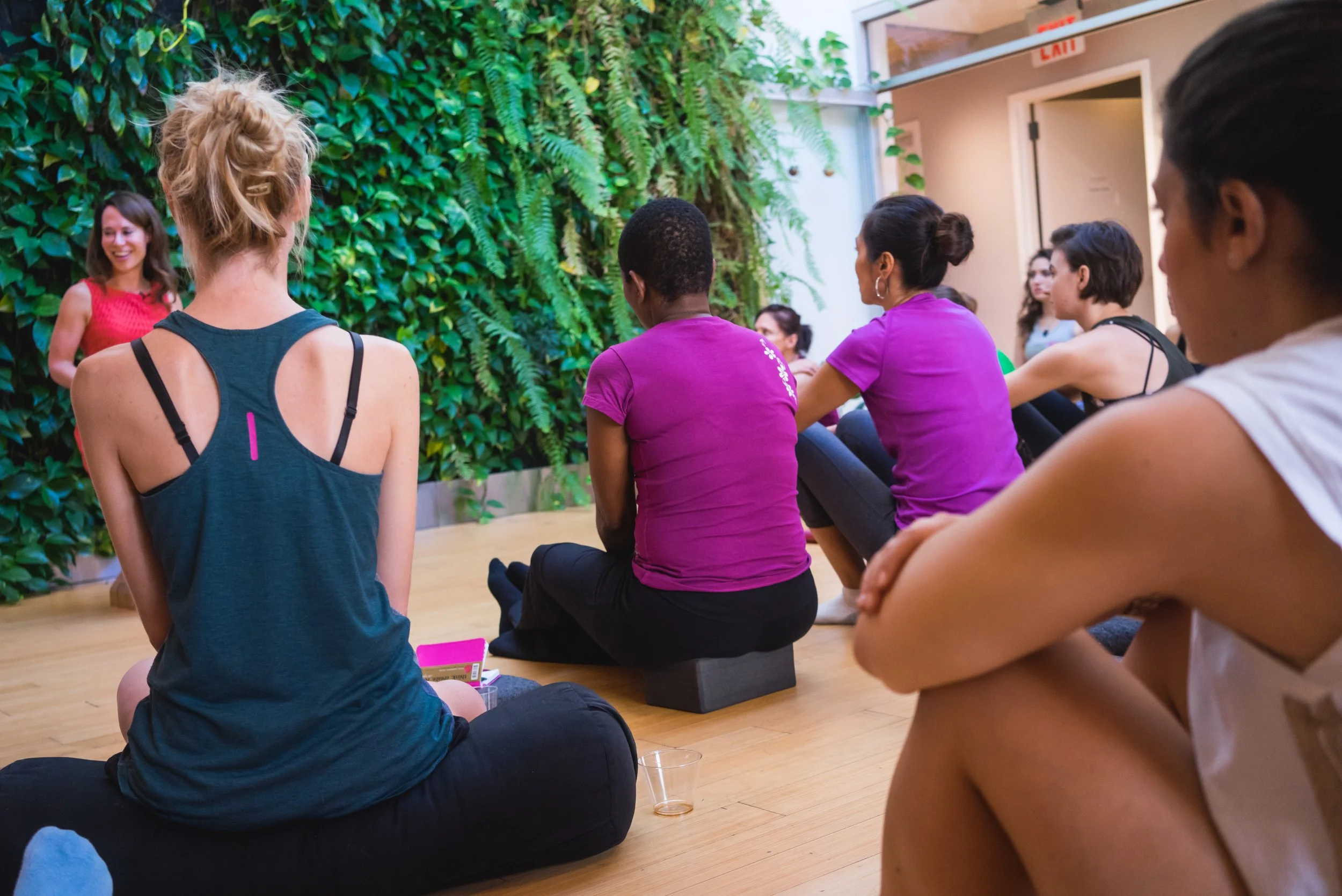
How much does the program foster community and friendships among the students? If community is important and motivating to you, you should ask a program how often students stay in touch with their fellow classmates after a course; and how much interaction is fostered among the students in a class. Some programs mainly have you do course material on your own. At The Path, we intentionally foster community among students, and many graduates stay in touch for years and even travel across the country or world to meet them in person!
Does the program make the material truly accessible? Some courses stay at an academic or theoretical approach to Buddhism. These can be wonderful, but some people really want to understand Buddhist wisdom in a relatable way and apply it to their daily lives! If you’re deeply interested in dharma about shifting from suffering towards freedom, it can be revealing, and important, to ask how much emphasis is put on bringing Buddhist principles into everyday life.
What is the foundational wisdom behind the course? A Meditation Teacher Training can be Hindu focused, Tibetan Buddhist or a mix! As you evaluate programs, it’s important to know that the course has a foundation and also to understand what that is. If a teacher is bringing their own personal experience into the course, and putting a mix of traditions together, you may love - or you may prefer a program grounded primarily in one established tradition. The Path’s Meditation Teacher Training is based on Theravada Buddhism, the Buddhist tradition rooted in the Buddha’s early teachings, early Buddhist teachingswhat the Buddha himself practiced and taught, and you can decide if that is right for you!
What is the feeling of the classes themselves? Some courses are more academic and ‘serious.’ Others may be more energetic, fun, warm and engaging. You can probably get a sense of this if you do a call with the lead teacher and check out their writings or even their online presence on social media - to see if their energy matches what feels best for you and the learning environment that is right for you.
What do graduates of the program go on to do? If you want to teach meditation or add it to your current role, ask the lead teacher of the course or an administrator what graduates of the course have gone on to do! You’ll want to see if they are teaching meditation full time or part time, and also assess if graduates of the program are happy with the class. You may want to check out the Google Reviews for a course yourself and make sure students who have gone through the program feel enthusiastic about it. I would encourage you to look for reviews from actual graduates, not just testimonials selected by the program itself.
Enjoy this wonderful journey - we hope you find the right program for you! And if you’re looking for a live, interactive training grounded in Buddhist wisdom, you can learn more about The Path’s Meditation Teacher Training here.

The Path is known for fostering community among its students & retreaters (here for a retreat in Italy!).